
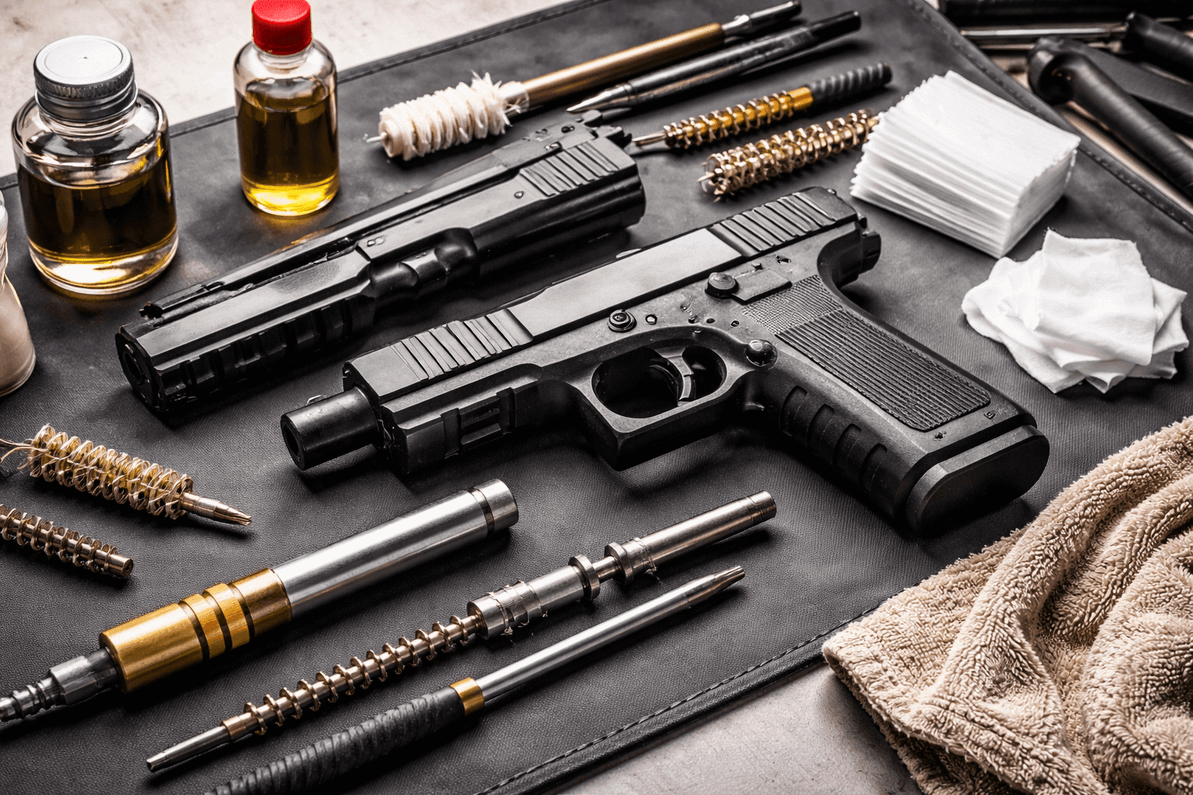
Essential Firearm Maintenance: Why Cleaning After Every Use is Crucial
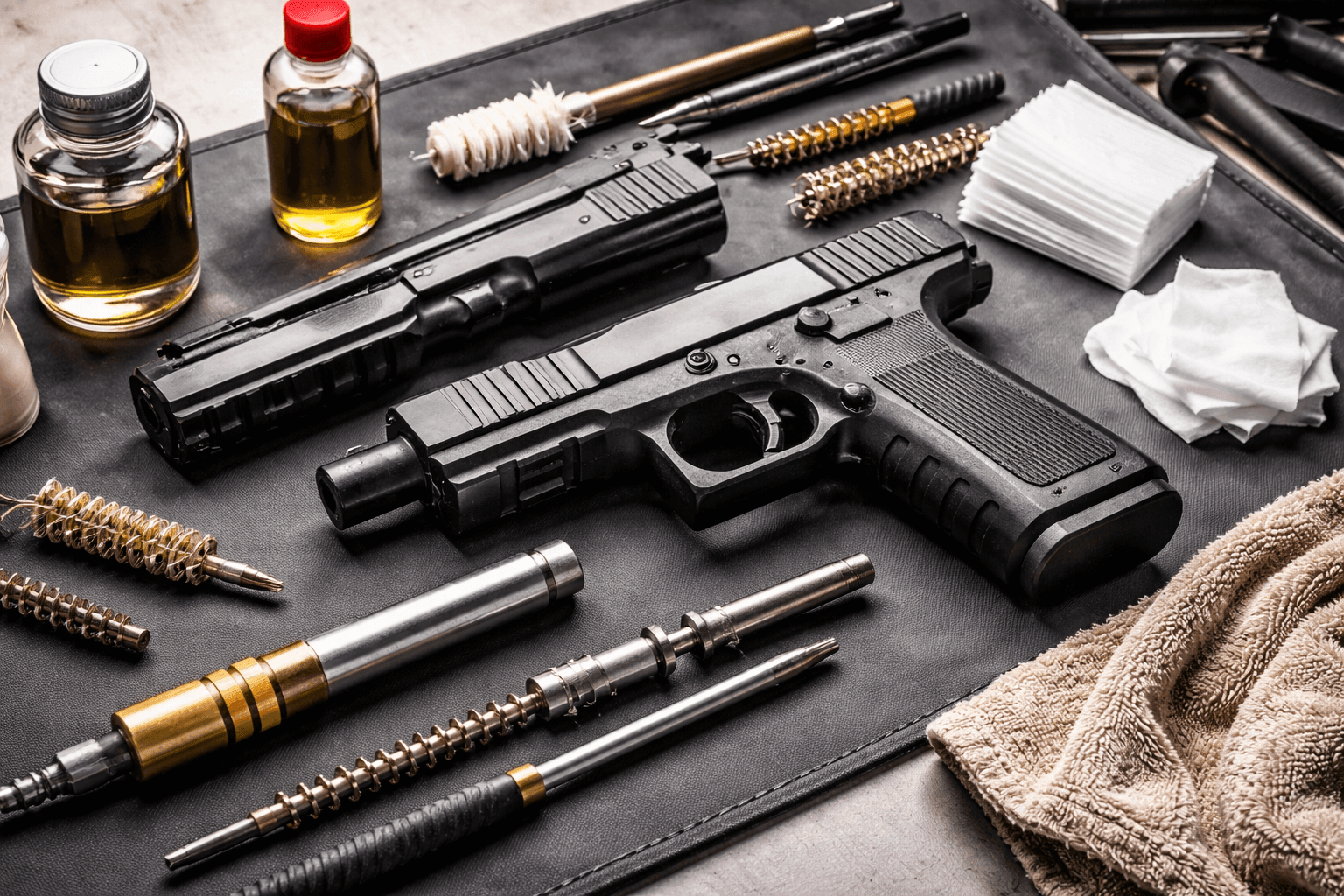
Listen to this article
Table of Contents
- Essential Firearm Maintenance: Why Cleaning After Every Use is Crucial
- The Core Principle: Why "After Every Use" is the Gold Standard
- The Immediate Aftermath: What Happens Inside Your Firearm with Every Shot
- The Crucial Benefits: Why Immediate Post-Use Cleaning is Paramount
- The Dire Consequences: The Cost of Neglecting Post-Use Cleaning
- Your Essential Post-Range Cleaning Kit: Tools for the Task
- Step-by-Step Guide: Your Post-Range Firearm Cleaning Process
- Special Considerations and Advanced Tips
- Common Myths and Mistakes to Avoid in Firearm Maintenance
- Conclusion: Embracing Responsible Firearm Ownership
Essential Firearm Maintenance: Why Cleaning After Every Use is Crucial
When a firearm is fired, a chain reaction starts inside its mechanism. Smoke appears, bullets fly, and tiny residues settle, creating a small battlefield that needs quick attention. For all firearm owners, from experts to beginners, following a strict cleaning routine is essential. The excitement of shooting is often followed by the important task of cleaning. Cleaning your guns after every use is the best practice, ensuring safety, reliability, and longer equipment life. This article explains why cleaning is critical, covering the effects of firing, benefits of cleaning, risks of neglect, and how to keep your firearms in top shape.
The Core Principle: Why "After Every Use" is the Gold Standard
The Core Principle: Why "After Every Use" is the Gold Standard
The adage "clean your gun after every use" is not born from arbitrary dogma but from a scientific understanding of what transpires inside a firearm during operation. Every pull of the trigger initiates a high-energy event. Propellant combustion, the force that drives a projectile, is a complex chemical reaction that invariably leaves behind byproducts. These residues, if left unchecked, can quickly begin to degrade the firearm's performance and structural integrity.
Dispelling Common Misconceptions About Cleaning Frequency
Scientists clearly explain why firearm cleaning frequency matters. However, many wrong ideas still exist about how often to clean firearms. Many owners might believe that if they’ve only fired a handful of rounds, or if the firearm appears visually clean, a deep clean can wait. Others may think that modern ammunition is so clean that it negates the need for immediate cleaning. However, even a few shots deposit microscopic fouling that, over time, accumulates. Furthermore, while many modern ammunition types are non-corrosive, they still produce carbon, lead, and copper residues that require removal. The idea that a firearm can remain pristine and functional without prompt attention after use is a dangerous oversimplification.
Overview of the Article's Focus: Safety, Reliability, Longevity
This article will fully explain why you must clean your firearm after each use. Cleaning helps your firearm last longer and stay accurate. Cleaning your firearm regularly keeps it ready to use. It also stops important parts from wearing out too soon and keeps performance steady. When owners learn about what happens after firing, how fouling builds up, and how to clean properly, they appreciate firearm maintenance more. This helps them be responsible owners. The global market for gun care products was worth about USD 1.2 billion in 2023. This shows how much owners spend to protect their firearms. Regular cleaning helps keep this value.
The Immediate Aftermath: What Happens Inside Your Firearm with Every Shot
The moment ammunition is fired, a cascade of physical and chemical processes begins, all of which contribute to the fouling that necessitates prompt cleaning. Neglecting this aftermath can lead to immediate performance degradation and, over time, significant damage.
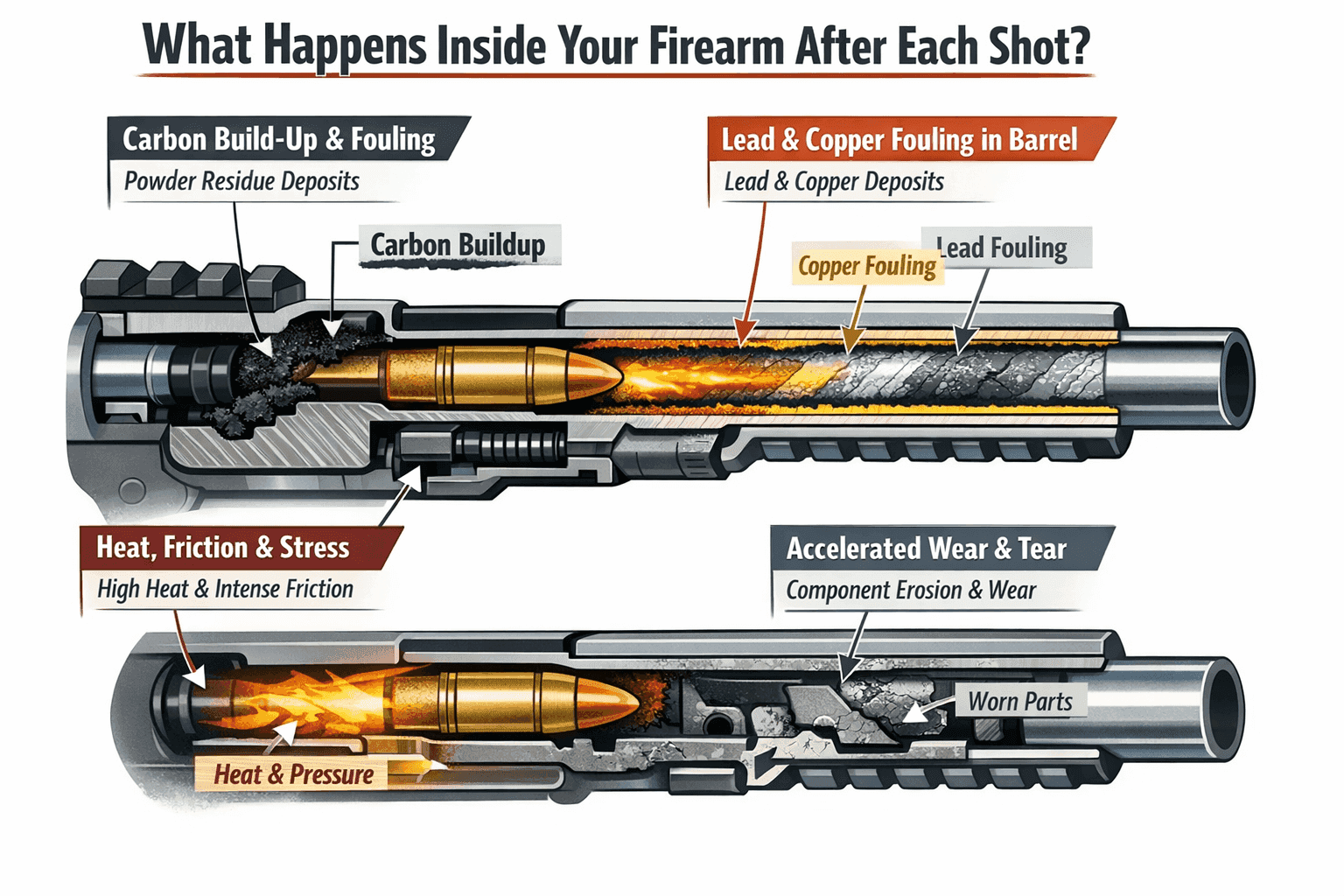
The Byproducts of Propellant Combustion: Carbon Build-Up and Fouling
The burning of gunpowder is not a perfectly clean process. It releases a cocktail of byproducts, including unburnt powder, carbon deposits, and chemical residues. These substances adhere to the internal surfaces of the firearm, particularly in the chamber and the bore. This carbon fouling, if allowed to build up, can interfere with the smooth operation of moving parts and create rough surfaces that attract further contaminants.
Lead and Copper Fouling in the Bore and Barrel
As the bullet travels down the barrel, friction and heat cause minuscule amounts of lead and copper from the projectile jacket to be deposited onto the rifling. This is known as lead and copper fouling. Rifling gives spin to the bullet and ensures accuracy. However, residue can build up and change the bore's size. This buildup can constrict the projectile's passage, leading to increased pressure, reduced velocity, and most importantly, diminished accuracy. The presence of lead and copper fouling makes subsequent shots less predictable, directly impacting shot placement.
Heat, Friction, and Stress: Accelerating Wear and Tear
The immense heat generated by propellant combustion, combined with the friction of the bullet passing through the bore and the mechanical stresses on the firearm's action, creates an environment where materials are stressed. When coupled with corrosive residues from gunpowder, these conditions can accelerate the degradation of metal parts. Without prompt cleaning and lubrication, these residues can begin to etch or corrode the metal, leading to premature wear and potential weakening of critical components.
The Crucial Benefits: Why Immediate Post-Use Cleaning is Paramount
Cleaning your firearm right after each use has many benefits. It protects your investment and keeps you ready.
Ensuring Unwavering Reliability and Safety
The most critical benefit of regular cleaning is the assurance of unwavering reliability and safety. Fouling, debris, and unaddressed residues can impede the function of critical safety mechanisms and moving parts. A firearm compromised by internal gunk is more prone to malfunctions like misfires, stovepipes, and failure-to-feed jams. These aren't just inconveniences; they can have severe consequences, particularly in defensive or competitive scenarios. By removing these contaminants promptly, you ensure that your firearm operates as designed, reducing the risk of unexpected stoppages and enhancing overall safety.
Preserving and Enhancing Accuracy
Accuracy is paramount for any firearm, whether for sport, competition, or defense. As previously mentioned, lead and copper fouling in the bore directly impacts the projectile's flight path. A barrel that is clean and free of obstructions allows the bullet to travel unimpeded, ensuring consistent spin and a predictable trajectory. Cleaning the bore and barrel regularly is not just for looks. It helps keep and even improve your firearm's accuracy and consistent shot placement.
Extending Firearm Longevity and Resale Value
Firearms are complex mechanical devices, and like any precision instrument, they require proper care to endure. Neglecting cleaning can lead to accelerated wear on critical parts due to friction and corrosion. Moisture and acidic gunpowder residues can cause rust and pitting. These problems often cannot be fixed and can permanently harm firearm parts. A firearm that is meticulously maintained not only lasts significantly longer but also commands a higher resale value, reflecting its condition and care.
Deepening Understanding and Fostering Responsible Firearm Ownership
The act of cleaning extends beyond mere mechanics; it fosters a deeper connection and understanding of your firearm. As you meticulously disassemble, clean, and reassemble your pistol or rifle, you become intimately familiar with its parts, their functions, and how they interact. This hands-on engagement cultivates a profound sense of responsibility for the tool in your possession. It transforms maintenance from a chore into an integral part of responsible firearm ownership, reinforcing the commitment to safety and proper stewardship.
The Dire Consequences: The Cost of Neglecting Post-Use Cleaning
The failure to adopt a post-use cleaning regimen can lead to a cascade of increasingly severe problems, turning a reliable tool into a potential liability.
Increased Risk of Catastrophic Malfunctions
When dirt, carbon, and unburnt powder accumulate in the action, magazines, or firing pin channel, the smooth operation of the firearm is compromised. Not cleaning can cause common but dangerous problems. These include failure to feed, where a new round does not load properly; stovepipes, where a spent casing gets stuck; and failure to fire, caused by dirty firing pins or ignition issues. These malfunctions can occur at the most inopportune times, rendering the firearm useless when it is needed most.
Accelerated Wear, Damage, and Permanent Component Failure
The acidic nature of gunpowder residue, combined with moisture, creates a corrosive environment within the firearm. If not neutralized and removed promptly, these substances can begin to etch into the metal surfaces. This leads to accelerated wear on critical components like the bolt face, slide rails, and chamber. Over time, this wear can lead to components not mating correctly, reduced lockup, and potentially even permanent damage, requiring costly repairs or replacement of parts.
Irreversible Damage: Rust, Pitting, and Bore Erosion
One of the most insidious consequences of neglecting cleaning is the onset of rust and corrosion. Moisture can settle on metal surfaces, and when combined with residual gunpowder salts, it initiates a relentless process of oxidation. This can manifest as unsightly surface rust or, more critically, deep pitting. Pitting weakens the metal and can compromise the structural integrity of parts like the barrel. Bore erosion can permanently damage the rifling. Fouling and harsh cleaning chemicals can make this worse if misused. This damage causes a big loss of accuracy. You cannot fix this without replacing the barrel.
Compromised Accuracy and Performance Degradation
As fouling builds up in the barrel, it creates an inconsistent surface for the bullet to engage with. This inconsistency disrupts the smooth release of the projectile, affecting its spin and flight path. Even a small amount of fouling can be enough to degrade accuracy noticeably, turning tight groups into scattered shots. Over time, this leads to a general degradation of the firearm’s overall performance, making it less effective for its intended purpose.
Diminished Firearm Value
A firearm that is visibly neglected, bearing signs of rust, pitting, or excessive wear, will undoubtedly suffer a significant reduction in its market value. Potential buyers, whether for private sales or trade-ins, will factor in the cost and effort required to rectify such damage. Maintaining a firearm’s cosmetic and functional integrity through regular cleaning is a direct investment in preserving its financial worth.
Your Essential Post-Range Cleaning Kit: Tools for the Task
Equipping yourself with the right tools is the first step toward an effective cleaning routine. A basic kit can be assembled affordably and will serve you well for years.
Core Cleaning Supplies for Every Firearm Owner
At the heart of any cleaning kit are the agents that break down fouling and protect the metal. A quality gun cleaning solvent is essential for dissolving carbon, lead, and copper residues. Complementing the solvent is a lubricant (gun oil), which is crucial for reducing friction between moving parts, preventing wear, and providing a protective barrier against moisture and rust. For cleaning the bore and barrel, a cleaning rod and an appropriately sized bore brush are necessary. These are typically followed by a jag that holds cleaning patches to wipe away loosened debris and apply lubricant.
Safety and Convenience Gear
Safety should always be paramount. Wear gloves, preferably nitrile or latex, to protect your skin from solvents and keep oils from your hands off the firearm’s parts. Eye protection is also highly recommended, as splashes of solvent can occur. A cleaning mat or old towels will protect your work surface from chemicals and prevent small parts from rolling away. Ensuring good ventilation is also important when using cleaning solvents.
Specialized Tools and Accessories
While not strictly mandatory for basic cleaning, specialized tools can enhance efficiency and effectiveness. Nylon brushes are excellent for cleaning delicate parts without scratching. Cotton swabs are ideal for reaching into tight nooks and crannies. A bore snake offers a quick and convenient method for cleaning the barrel in the field or for a light clean between deeper sessions. For more involved maintenance, a gun vise can provide stability and a better angle for working on disassembled guns. As the firearms market grows, the market for gun care products also grows. It is expected to reach about USD 2.5 billion by 2032. This shows there is demand for good maintenance tools.
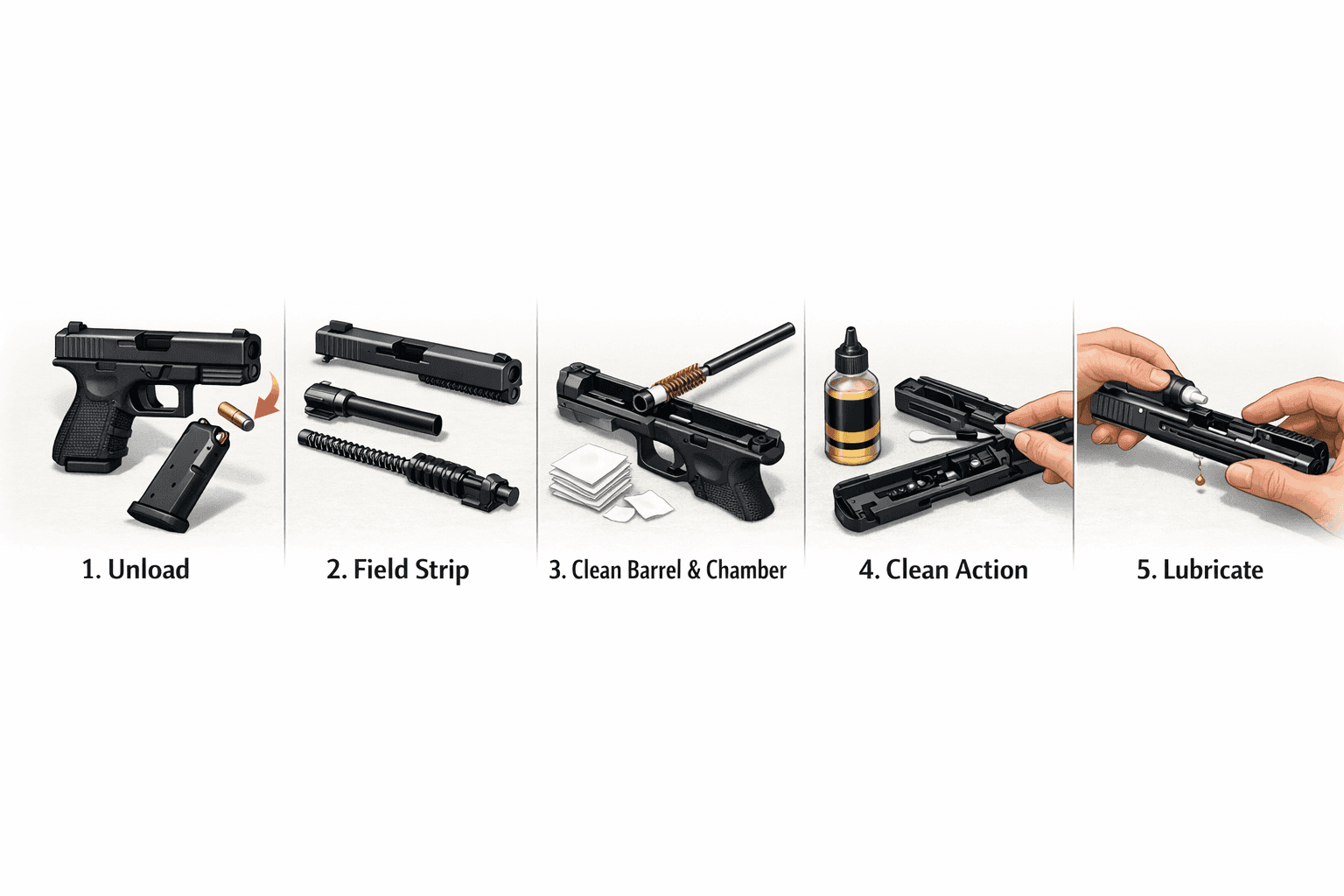
Step-by-Step Guide: Your Post-Range Firearm Cleaning Process
Following a structured process ensures that no critical step is missed, leading to a thorough and effective clean.
Safety First: Unload and Verify Clear
Before any cleaning begins, the absolute first step is to ensure the firearm is safe. Remove the magazine, then cycle the action several times to eject any chambered round. Visually and physically inspect the chamber and magazine well to confirm they are empty. This step cannot be overemphasized; it is the foundation of safe firearm handling and maintenance.
Field Stripping Your Firearm (Refer to Your Owner's Manual)
Most modern firearms are designed for relatively easy field stripping – disassembly into its major component groups. Always read your firearm's owner's manual carefully. It gives detailed instructions on how to safely take apart and put together your specific model. For pistols, this typically involves separating the slide from the frame. For rifles, it might involve removing the bolt carrier group or upper receiver.
Cleaning the Barrel and Chamber: The Heart of Accuracy
Begin with the barrel and chamber. Apply solvent to a patch or the bristles of a bore brush and run it through the bore, typically from chamber to muzzle if possible. Use the bore brush to scrub away stubborn fouling. Follow up with clean patches until they emerge from the barrel free of dark residue. Inspect the bore and chamber carefully for any remaining fouling or signs of corrosion.
Cleaning the Action, Slide, Bolt, and Other Internal Components
Next, address the moving parts of the firearm. Use solvent applied with brushes or cotton swabs to clean the slide rails, bolt face, extractor, ejector, and firing pin channel. Wipe down all accessible surfaces to remove carbon buildup and old lubricant. Pay attention to areas where fouling tends to accumulate. For semi-automatic pistols, this includes the feed ramp on the barrel and the interior of the slide.
Lubrication: The Final Protective Layer
Once all components are clean and dry, it's time for lubrication. Apply a light coat of lubricant to all metal-on-metal friction points. This includes slide rails, the bolt carrier assembly, and pivot points. Avoid over-lubrication, as excess oil can attract dirt and dust, creating its own set of malfunctions, especially in cold weather. A thin film is generally sufficient.
Special Considerations and Advanced Tips
Beyond the standard cleaning process, several specific scenarios and considerations warrant attention for optimal firearm care.
The Urgency of Cleaning After Corrosive Ammunition Use
Some types of ammunition use corrosive primers. Older military surplus rounds often have these primers. These primers leave behind salts that are highly hygroscopic (attract moisture) and extremely corrosive. If not thoroughly neutralized and removed immediately after firing, they can cause rapid and severe rust and pitting within hours. Cleaning after using corrosive ammunition needs stronger methods. You often need water-based cleaners or ammonia to remove salts. Then you clean and lubricate as usual.
Adapting Your Cleaning to Different Ammunition Types
The type of ammunition fired influences the nature and amount of fouling. Lead bullets tend to leave lead residue, while jacketed bullets (copper or copper-jacketed) deposit copper. Different solvents may be more effective against specific types of fouling. Understanding the characteristics of the ammunition you use allows for a more targeted and efficient cleaning approach.
Environmental Factors: Cleaning for Dust, Moisture, and Storage
The environment in which a firearm is used and stored significantly impacts its maintenance needs. In humid climates, the risk of rust is higher, necessitating more frequent cleaning and careful application of rust inhibitors. In dusty or sandy environments, thorough cleaning of all nooks and crannies is crucial to prevent abrasive fouling from causing wear. For long-term storage, a light application of lubricant and the use of desiccant packs within a safe can protect against moisture and prevent corrosion.
The "Quick Clean" vs. Deep Clean Philosophy
A distinction can be made between a "quick clean" and a "deep clean." A quick clean might involve a bore snake run and a wipe-down after a light range session, focusing on immediate surface debris removal. A deep clean involves full field stripping, detailed cleaning of all parts, and meticulous inspection. Both have their place, but the "quick clean" should never substitute for a proper cleaning after significant use.
Common Myths and Mistakes to Avoid in Firearm Maintenance
Navigating the world of firearm maintenance can sometimes be hindered by persistent myths and common errors that can inadvertently cause harm.
The Danger of Household Cleaners and Improper Solvents
It is crucial to use only products specifically designed for firearm cleaning. Household cleaners, degreasers, or industrial solvents can contain harsh chemicals that damage firearm finishes, plastics, rubber grips, and internal metal parts. Always stick to reputable gun cleaning solvents and lubricants.
The Pitfalls of Over-Lubrication or Insufficient Lubrication
Both extremes of lubrication can cause problems. Over-lubricating can lead to an accumulation of dirt and debris, creating a gummy residue that impedes function and can cause malfunctions. Not using enough lubricant causes more friction and faster wear. It can also make moving parts seize up. This happens especially under stress or bad conditions.
Neglecting Specific Parts: The "Out of Sight, Out of Mind" Problem
It is easy to focus on the obvious components like the barrel and slide, neglecting smaller but equally critical parts. Components like the extractor, ejector, firing pin channel, and the feed lips of magazines are vital for reliable function and require regular attention.
The "Only a Few Rounds" Mentality
As discussed earlier, the belief that minimal ammunition usage negates the need for immediate cleaning is a harmful misconception. Even a few rounds deposit residue that begins the process of fouling, which, if left unaddressed, will compound over time.
Conclusion: Embracing Responsible Firearm Ownership
The practice of cleaning your firearm after every use is far more than a routine chore; it is a cornerstone of responsible firearm ownership. It is the most proactive measure you can take to ensure your gun functions reliably, safely, and accurately, while also preserving its longevity and value. After firing, your firearm gets carbon, lead, copper fouling, and heat inside. If you do not clean these, your firearm will perform worse, have more malfunctions, wear out faster, and may get rust or corrosion.
Understanding the benefits of cleaning right after use—like reliability, better accuracy, longer firearm life, and a stronger bond with your equipment—helps you maintain your guns well. Ignoring cleaning leads to serious problems. Having a basic cleaning kit and following a safe, organized process brings great rewards. The global firearms market is growing, with more care products showing how much owners value their gear [IMARC Group, 2025]. Make cleaning after every range trip, training, or use a firm habit. This keeps your firearm dependable and shows your commitment to safe, responsible ownership.
Recent Posts
-

What Are BDU Pants? BDU Meaning, Features & BDU vs. Tactical Pants
Table of ContentsWhat Does BDU Stand For?What Are BDU Pants?Why Do BDU Pants Have So Many Pockets?Wh …Nov 12th 2026 -
How to Insert Knee Pads Into LAPG Atlas Tactical Pants
Listen to this articleYour browser does not support audio. Listen to the recording.Table of Contents …Aug 5th 2026 -

How to Measure Yourself for Tactical Pants in 6 Steps
Listen to this articleYour browser does not support audio. Listen to the recording.Table of Contents …Jul 10th 2026