
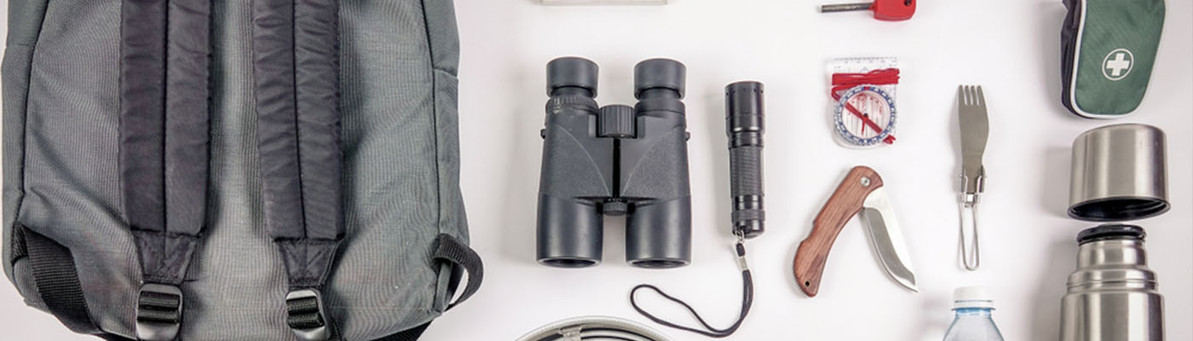
Bug Out Bag Checklist: The Complete 72-Hour Go Bag List
Listen to this article
Table of Contents
- Bug Out Bag Checklist: Quick List
- Printable 72-Hour Bug Out Bag Checklist
- Why Build a 72-Hour Bag?
- How Much Water Should Be in a Bug Out Bag?
- How Much Food Should You Pack?
- What Should Be in a Family Bug Out Bag?
- Should Everyone Have Their Own Bag?
- What Should You Leave Out?
- Build the Bag Around Your Evacuation Plan
- Vehicle Evacuation vs. Evacuating on Foot
- First Aid Belongs in the Bag, and Training Matters Too
- Don't Forget Light
- How Often Should You Check a Bug Out Bag?
- Bottom Line
- FAQs
If you have to leave home quickly, a bug out bag should give you the essentials you need to move safely, stay supplied, communicate, and handle basic needs until you reach a safer location.
For most households, the best starting point is a portable 72-hour emergency kit customized for the people, climate, medications, pets, transportation, and evacuation plan involved.
Ready.gov recommends building an emergency supply kit with water, food, medications, lighting, communication tools, first-aid supplies, documents, and household-specific needs.
Bug Out Bag Checklist: Quick List
Water
- Bottled water you can realistically carry
- Refillable water bottle or hydration container
- Backup water-treatment method appropriate for your situation
Food
- Several days of shelf-stable food
- Food that can be eaten without cooking when possible
- High-calorie snacks
- Manual can opener if needed
- Food required for allergies or special diets
- Pet food if evacuating with animals
First Aid and Medication
- Basic first-aid kit
- Personal prescription medication
- Medication list
- Copies of important medical information
- Personal medical supplies
- Spare glasses or contact-lens supplies if needed
Shelter and Weather
- Emergency blanket or compact sleep system
- Rain protection
- Season-appropriate layers
- Hat and gloves where appropriate
- Change of socks
- Sturdy footwear
Lighting and Power
- Flashlight
- Headlamp
- Spare batteries
- Phone charging cable
- Portable battery pack
- Vehicle charger if evacuation by car is likely
Communication and Navigation
- Charged phone
- Emergency contact list
- Local map
- Battery-powered or hand-crank radio
- Whistle
- Pen and waterproof notebook or protected paper
Hygiene
- Hand sanitizer
- Soap
- Toothbrush and toothpaste
- Toilet paper
- Wet wipes
- Garbage bags
- Feminine hygiene products
- Diapers or other family-specific supplies
Important Documents and Cash
- Identification copies
- Insurance information
- Medical information
- Emergency contacts
- Important account and policy information
- Emergency cash in manageable denominations
Tools and Family-Specific Items
- Multi-purpose tool
- Duct tape
- Paracord
- Work gloves
- Basic repair supplies
- Baby supplies
- Children's comfort items
- Senior-care or accessibility supplies
- Pet leash, carrier, medication, food, water, and records
Printable 72-Hour Bug Out Bag Checklist
- ☐ Drinking water
- ☐ Refillable bottle
- ☐ Backup water-treatment method
- ☐ Shelf-stable meals and snacks
- ☐ Manual can opener if needed
- ☐ First-aid kit
- ☐ Prescription medication
- ☐ Emergency blanket and rain layer
- ☐ Warm layer and extra socks
- ☐ Flashlight or headlamp
- ☐ Spare batteries
- ☐ Power bank and charging cables
- ☐ Phone and emergency contacts
- ☐ Radio, whistle, and local map
- ☐ ID and insurance copies
- ☐ Emergency cash
- ☐ Hygiene supplies
- ☐ Children's, pet, and accessibility supplies as needed
Why Build a 72-Hour Bag?
Ready.gov recommends keeping emergency supplies for several days and preparing portable supplies for evacuation. The exact amount you carry should be realistic for your household and evacuation plan.
A bug out bag is not meant to hold every emergency supply you own. It should contain what you can actually take with you.
How Much Water Should Be in a Bug Out Bag?
Federal preparedness guidance commonly uses one gallon of water per person per day for at least three days as a planning target for household emergency supplies. That amount is difficult to carry on foot: three gallons alone weigh roughly 25 pounds before adding the container or any other gear.
For a portable evacuation bag, carry an amount you can realistically move with, then plan additional water around your vehicle, destination, environment, and access to safe water.
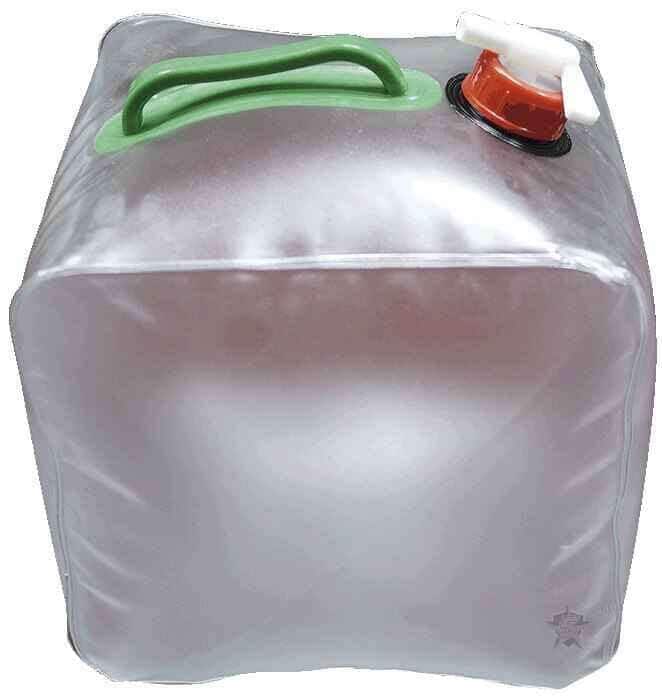
Know the Limits of Water Treatment
If you carry a water filter or treatment method, understand what it can and cannot remove before an emergency. The CDC notes that portable filters do not remove every type of germ, and water contaminated with fuel or toxic chemicals cannot be made safe by ordinary boiling, filtering, or disinfection. Follow local public-health guidance when water safety is uncertain.
How Much Food Should You Pack?
Choose foods that are shelf stable, calorie dense, familiar to your household, easy to open, reasonable in weight, and appropriate for dietary restrictions.
Bars, nuts, shelf-stable pouches, ready-to-eat meals, and similar options are often easier to carry than bulky canned food. Rotate anything with a limited shelf life before it expires.
What Should Be in a Family Bug Out Bag?
A family bag is not just a larger version of a single adult's kit. Children, older adults, pets, and people with disabilities may need items that generic lists miss.
Consider prescription medications, medical-device power requirements, diapers, formula, children's food, comfort items, mobility equipment, hearing-aid batteries, pet carriers, pet medication, and copies of medical or veterinary records.
Should Everyone Have Their Own Bag?
For families with capable adults and older children, dividing supplies between multiple bags can make sense. It distributes weight and reduces the chance that all essential supplies are concentrated in one backpack.
A practical approach is: each capable person carries personal basics, while critical shared equipment is deliberately distributed among adults.
What Should You Leave Out?
A common mistake is packing for every imaginable scenario. Every item adds weight.
Prioritize immediate medical and personal needs, water, weather protection, food, communication and power, identification, lighting, navigation, and useful tools. Avoid filling the bag with heavy or specialized gear you have never used simply because it appears on an internet survival list.
Build the Bag Around Your Evacuation Plan
A bug out bag works best when it supports a real plan. Know where you would go, how you would get there, which routes are available, how family members will reconnect, who your out-of-area contact is, how pets will be transported, and what happens if cellular service is unavailable.
Gear cannot replace a plan.
Vehicle Evacuation vs. Evacuating on Foot
If you expect to leave by vehicle, you can stage heavier supplies such as additional water, food, blankets, and equipment in the vehicle. Your portable bag still needs to be usable if the vehicle becomes unavailable.
For people who may have to walk significant distances, pack fit and total weight matter much more.
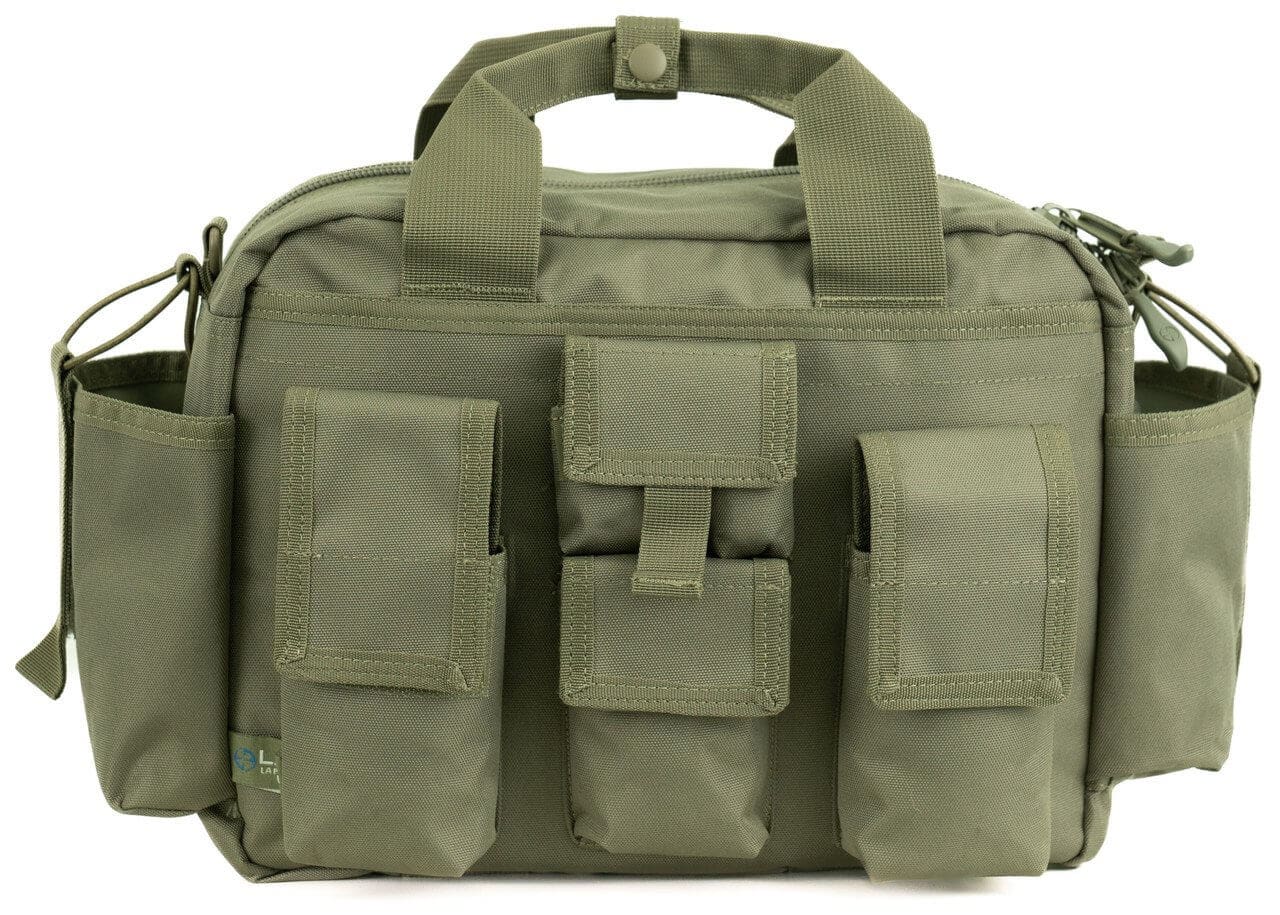
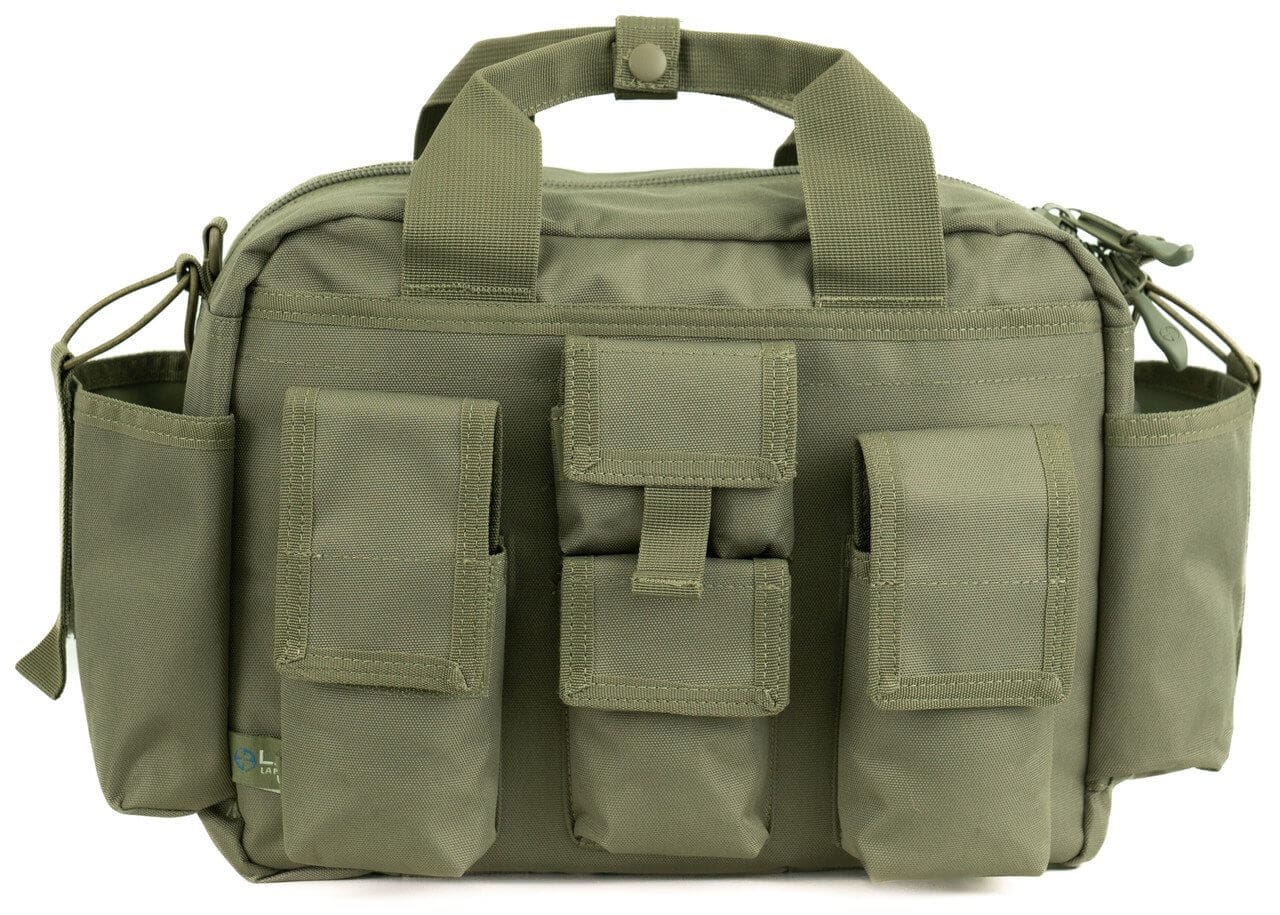
Shop the LAPG Tactical Bailout Gear Bag
First Aid Belongs in the Bag, and Training Matters Too
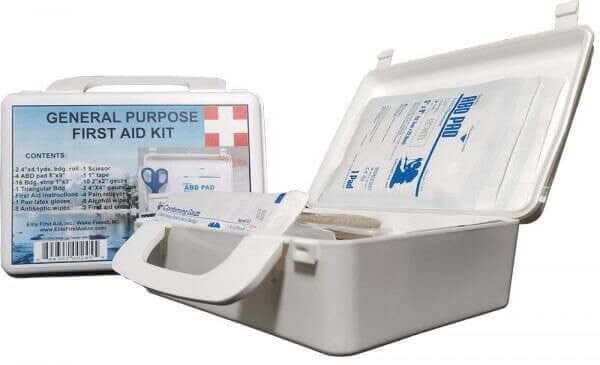
A basic first-aid kit should be part of an emergency bag, but owning equipment is not the same as knowing how to use it. Keep your kit appropriate to your level of training, learn basic first aid and CPR from qualified organizations, and keep personal medications and medical information current.
Don't Forget Light
Emergencies do not wait for daylight. Keep a dependable flashlight or headlamp in your kit along with its power source. For many users, a headlamp is especially useful because it leaves both hands free while walking, loading a vehicle, making repairs, or helping family members.
How Often Should You Check a Bug Out Bag?
Review it periodically and after major changes in your household. Check food expiration, medication, batteries, power banks, seasonal clothing, children's sizes, pet needs, emergency contacts, copies of documents, and damaged or missing equipment.
A bag packed years ago and never opened is not a preparedness plan.
Bottom Line
The best bug out bag is not the one with the most gear. It is the one that matches your actual emergency plan, contains the essentials your household needs, and is light enough to take with you.
Start with water, food, first aid, weather protection, lighting, power, communication, documents, and personal needs. Then customize it for your family, location, transportation, and likely emergencies.
FAQs
How heavy should a bug out bag be?
How much water should I carry in a bug out bag?
Is a bug out bag the same as a 72-hour kit?
What should be in a family bug out bag?
Should every family member have a bug out bag?
How often should I replace supplies in a bug out bag?
Recent Posts
-
What Are BDU Pants? BDU Meaning, Features & BDU vs. Tactical Pants
Table of ContentsWhat Does BDU Stand For?What Are BDU Pants?Why Do BDU Pants Have So Many Pockets?Wh …Nov 12th 2026 -
How to Insert Knee Pads Into LAPG Atlas Tactical Pants
Listen to this articleYour browser does not support audio. Listen to the recording.Table of Contents …Aug 5th 2026 -
How to Measure Yourself for Tactical Pants in 6 Steps
Listen to this articleYour browser does not support audio. Listen to the recording.Table of Contents …Jul 10th 2026